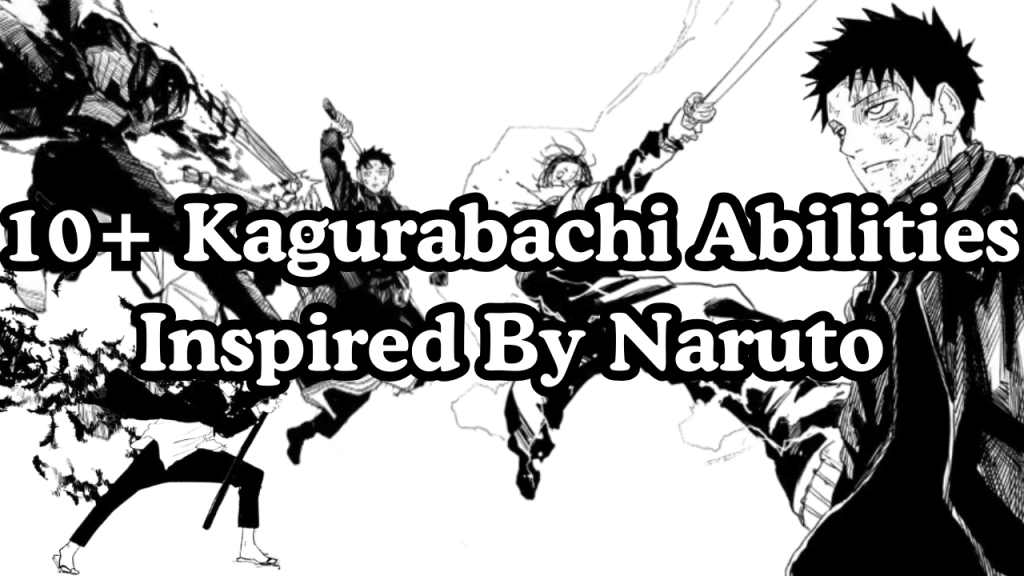
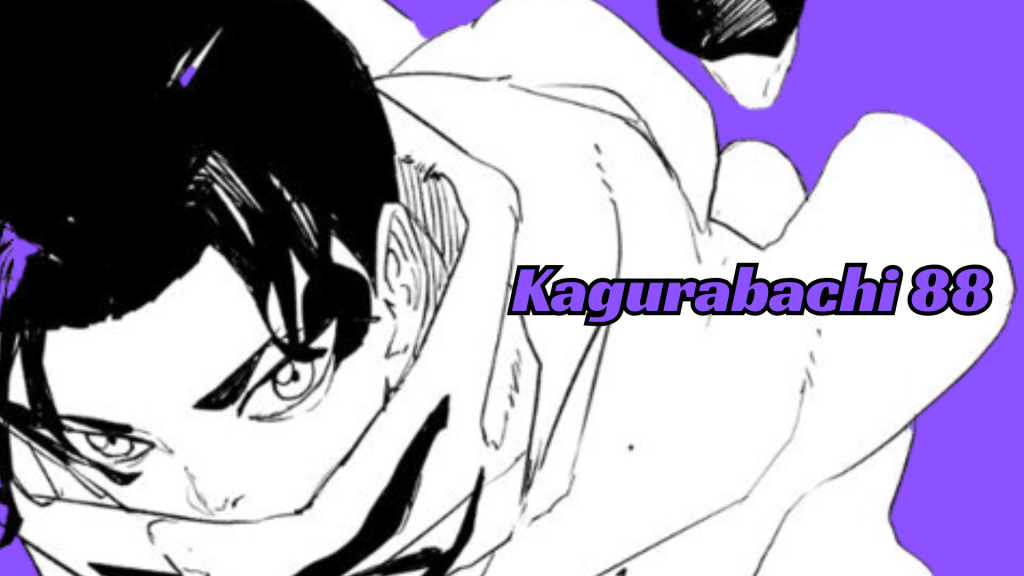
Discover every Kagurabachi ability that seems inspired by Naruto. From wood style to Susanoo-like defenses, explore the undeniable parallels between the two iconic shonen worlds.
Introduction: Kagurabachi’s Striking Similarities to Naruto’s Legendary Techniques
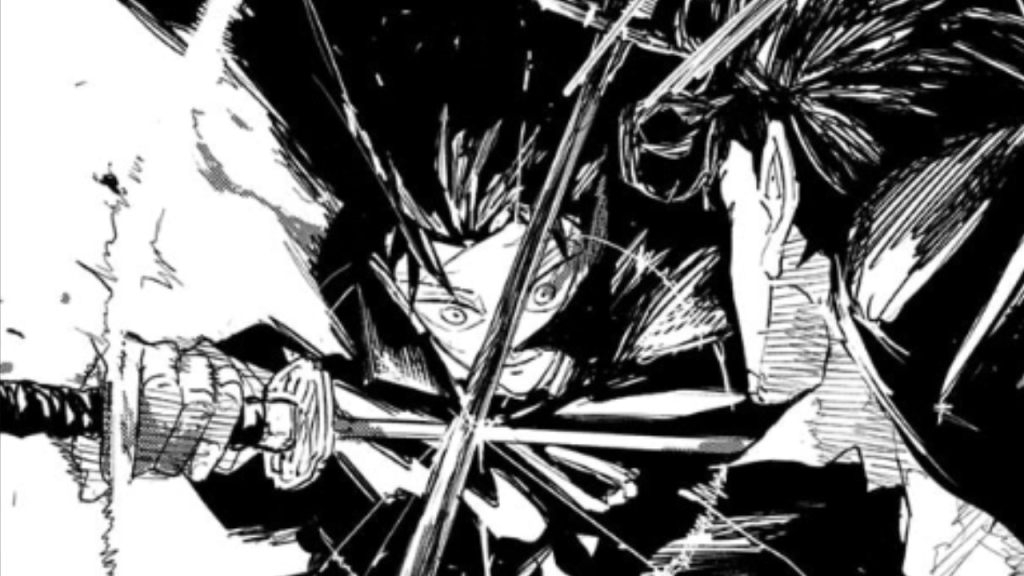
Ever since Kagurabachi burst onto the manga scene, fans have passionately debated whether its magical abilities are truly original or heavily influenced by Naruto. While supporters insist the powers are fresh interpretations of classic shonen tropes, critics argue that many Kagurabachi techniques mirror Naruto’s jutsu systems in uncanny ways.
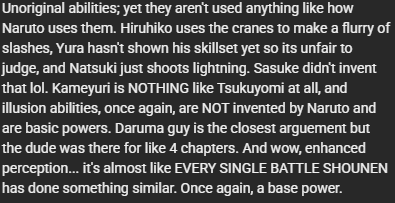
This article takes a closer look at every major KGB ability in Kagurabachi that bears resemblance to powers from Naruto. Through detailed comparisons and credible sources, we’ll uncover how Naruto’s legacy continues to shape the next generation of manga storytelling.
1. Tree Shaku – The Wood Style Connection
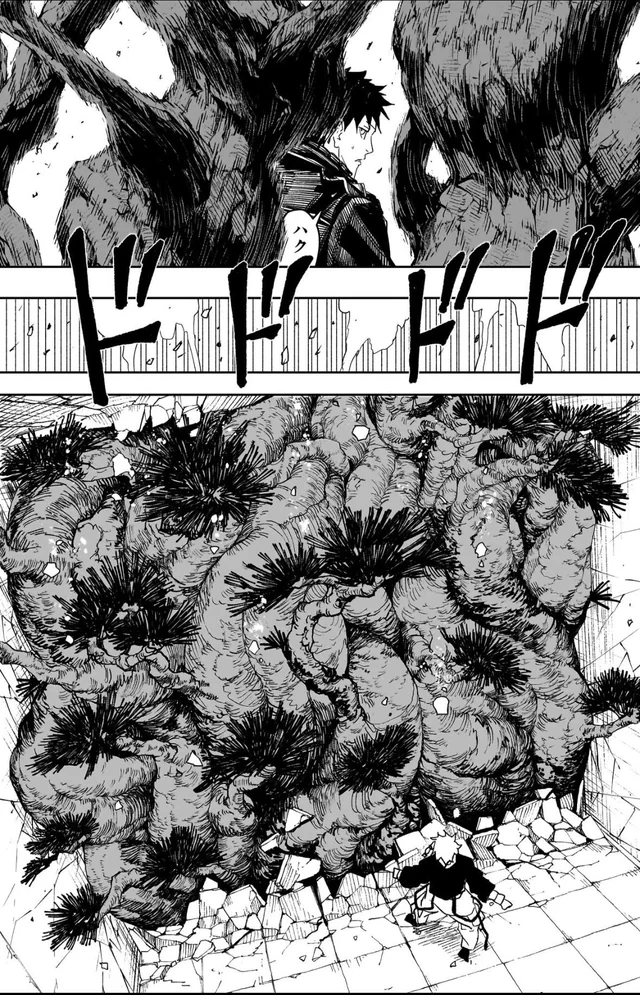
Tree Shaku’s powers unmistakably echo Wood Style (Mokuton), the signature ability of Hashirama Senju from Naruto. Both manipulate living wood to attack, defend, and reshape the battlefield. While Wood Style symbolizes life and creation, Tree Shaku’s variant may serve as Kagurabachi’s homage to one of Naruto’s most revered techniques.
2. Daruma – Explosive Art Like Deidara

Daruma’s explosive creations bear an eerie similarity to Deidara’s clay bombs. Both characters channel their destructive artistry through self-produced materials—Deidara through clay and chakra, Daruma through energy or biological matter. Thematically, both represent creativity and chaos fused into raw destruction.
3. Clone Sorcerer – A Clear Nod to Naruto’s Signature Jutsu
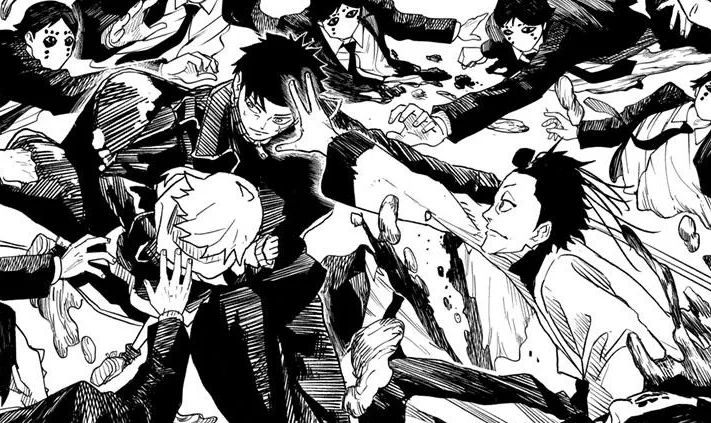
One of Naruto’s most recognizable abilities, the Shadow Clone Jutsu, allows Naruto to duplicate himself into tangible, independent bodies. Similarly, the Clone Sorcerer in Kagurabachi uses an almost identical concept—creating multiple versions for battle and strategy. It’s a near one-to-one homage that’s hard to miss.
4. Genjutsu Sorcerer – Master of Illusionary Combat
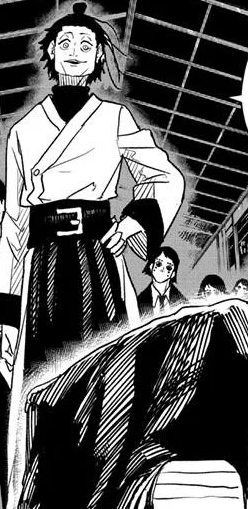
The Genjutsu Sorcerer manipulates perceptions and induces hallucinations in opponents, much like the illusion-based Genjutsu of the Naruto series. Both rely on mental warfare, where controlling the opponent’s senses is more potent than brute strength.
5. Ikuto – Pain’s Gravitational Powers Meet Sasori’s Iron Sand
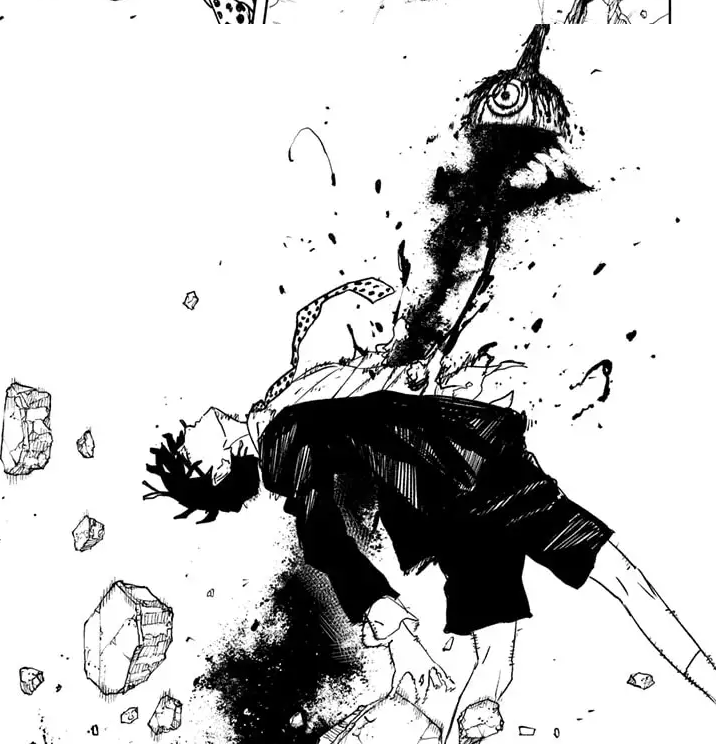
Ikuto combines traits from two of Naruto’s most memorable antagonists. His ability to attract and repel mimics Pain’s gravitational manipulation, while his mastery of iron sand closely resembles Sasori’s deadly puppet techniques. This dual inspiration suggests deliberate fusion rather than coincidence.
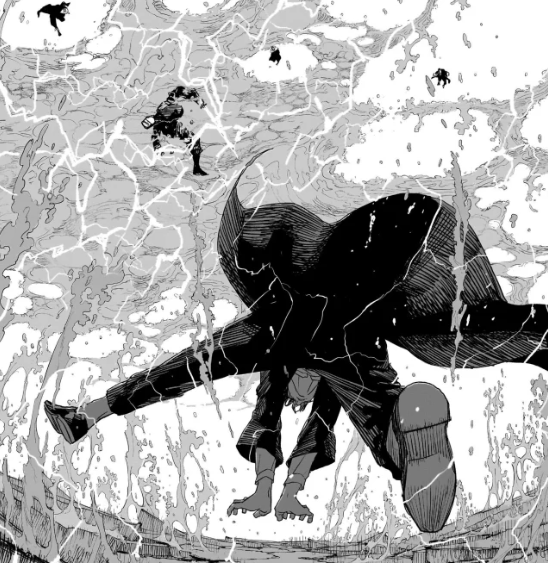
6. Harima – Earth Style Techniques Reimagined

Harima’s earth-based powers appear rooted in Doton (Earth Release), used by characters like Kakashi and Onoki. The ability to mold terrain, fortify defenses, or summon walls from the earth is a direct reflection of Naruto’s elemental combat system.
7. Hiyuki – The Susanoo Paradox
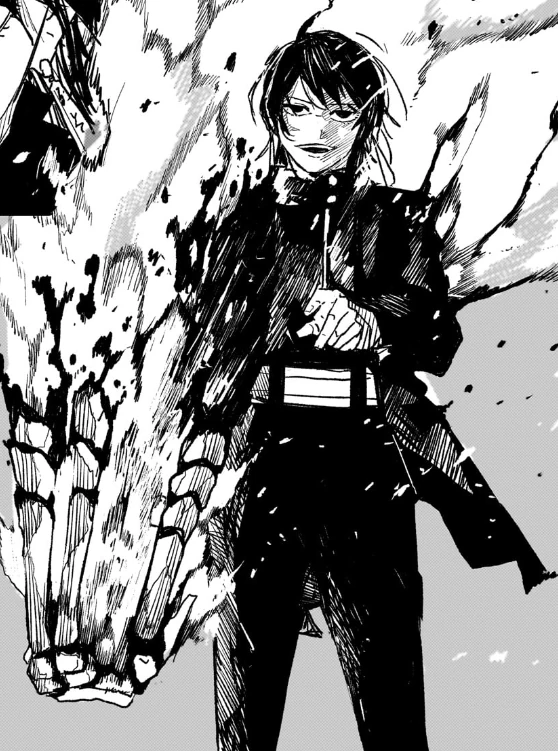
Hiyuki’s flame bone—a massive spectral figure of protection and assault—feels unmistakably similar to the Susanoo, the ultimate power of the Uchiha clan. Both serve as manifestations of willpower and divine might, representing the pinnacle of their users’ strength.
8. Hakuri – A Dimensional Storehouse Like Kamui

Hakuri’s mysterious “storehouse” dimension invites comparison to Kamui, the teleportation and storage realm controlled by Obito and Kakashi. Both function as alternate spatial planes for concealing or transporting matter.
9. Hiruhiko – The Paper User Resembling Konan
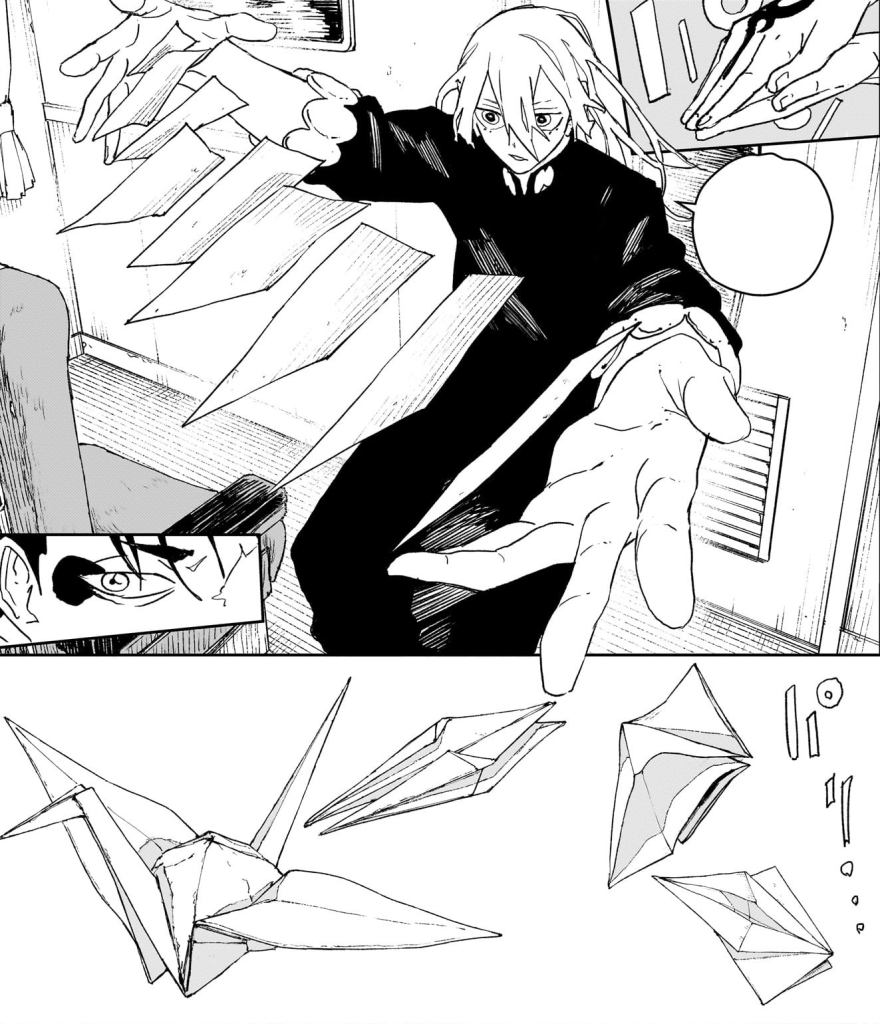
Hiruhiko’s paper manipulation ability channels the same creative and deadly artistry that made Konan iconic. In both series, paper transforms from a passive medium into a versatile weapon capable of slicing, shielding, and swarming enemies.
10. Kumeyuri – Illusions Like Tsukuyomi
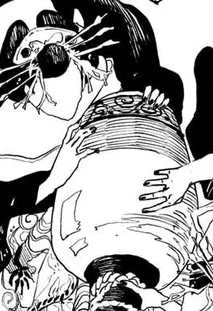
Kumeyuri’s illusions strongly recall Tsukuyomi, the fearsome visual genjutsu used by Itachi Uchiha. Both involve trapping victims in an inescapable illusionary realm, making this one of the most direct parallels between Kagurabachi and Naruto.
11. Chihiro – Sharingan-Level Vision and Copy Abilities
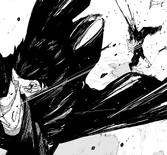
Chihiro’s advanced eyesight and ability to mimic opponent movements immediately evoke the Sharingan. Much like Sasuke or Kakashi, Chihiro perceives and replicates techniques with precision, marking one of the most overt Naruto influences in Kagurabachi.
Why These Similarities Are No Coincidence
Takeru Hokazono, the creator of Kagurabachi, has openly expressed his admiration for Naruto. According to his editor:
“He just absolutely loves Naruto. If you take a look at his Tezuka Award-winning piece and early one-shots, the influence is quite evident. His aspiration to become a manga artist stems from Naruto, adding to its significance.”
This statement confirms that Naruto’s influence runs deep—not just in spirit, but in the artistic DNA of Kagurabachi.
FAQs About Kagurabachi’s Naruto Inspirations
1. Is Takeru Hokazono confirmed to be a Naruto fan?
Yes. His editor publicly confirmed Hokazono’s admiration for Naruto and stated that the series heavily influenced his creative journey.
2. Are Kagurabachi’s abilities exact copies of Naruto’s jutsu?
Not exactly. While many powers resemble those from Naruto, they often have unique twists or interpretations within Kagurabachi’s world.
3. Does Kagurabachi intentionally pay homage to Naruto?
It’s highly likely. The visual and thematic parallels seem to celebrate Naruto’s legacy rather than imitate it.
4. Why do so many shonen manga share similar power systems?
Because elemental manipulation, clones, illusions, and energy control are universal storytelling tools that define the shonen genre.
5. What other manga are inspired by Naruto?
Titles like Jujutsu Kaisen, My Hero Academia, and Black Clover all borrow from Naruto’s structure, emphasizing teamwork, inner conflict, and legacy.
6. Should similarities between Kagurabachi and Naruto be seen negatively?
Not necessarily. Inspiration drives evolution—Kagurabachi’s strength lies in transforming Naruto’s iconic ideas into fresh, modern storytelling.
Conclusion: Tribute or Imitation? You Decide
While Kagurabachi’s abilities undeniably mirror those found in Naruto, these parallels feel more like a tribute than theft. Takeru Hokazono’s work embodies admiration, not imitation—breathing new life into beloved tropes for a new generation of manga fans.
Ultimately, Kagurabachi reflects what all great artists do: draw from the legends that inspired them, and then build something new in their image.
Check out the video version of this analysis: https://youtu.be/y7pTYgxl9ok?si=PghDXDTPy3MYVrrA
 Weekend Weebs
Leave a comment