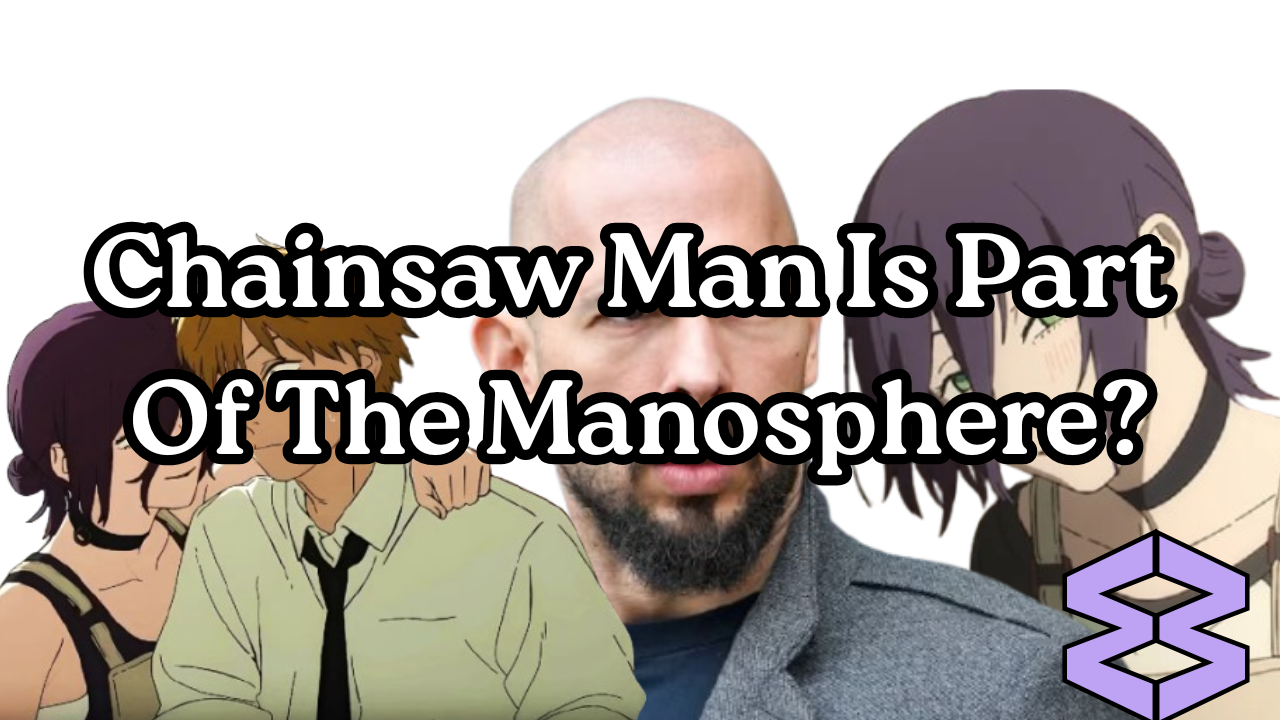
Introduction: A Shocking Label for a Cult-Favorite manga
While scrolling through Apple News one evening, an article title stopped me cold. Written by Mike McCahill for The Guardian, it read:
“Chainsaw Man – The Movie: Reze Arc review – gore-soaked demonic anime squats in the manosphere.”

As a long-time Chainsaw Man (CSM) fan, I was intrigued—and then horrified. CSM is known for being gory, demonic, and unapologetically anime, sure. But calling it part of the manosphere? That’s a stretch few fans would ever imagine.
What Is the “Manosphere,” Really?
Before forming an opinion, I did a little digging. According to standard definitions, the manosphere refers to:
A network of websites and blogs where men express views on masculinity and relationships—often in ways hostile to feminism and women’s rights.
In other words, the manosphere is associated with influencers like Andrew Tate, Fresh and Fit, and incel communities. It’s a term loaded with negative connotations about toxic masculinity and misogyny.
But here’s the key question:
What does any of that have to do with Chainsaw Man?
Denji: The Least “Manospheric” Character You’ll Ever Meet
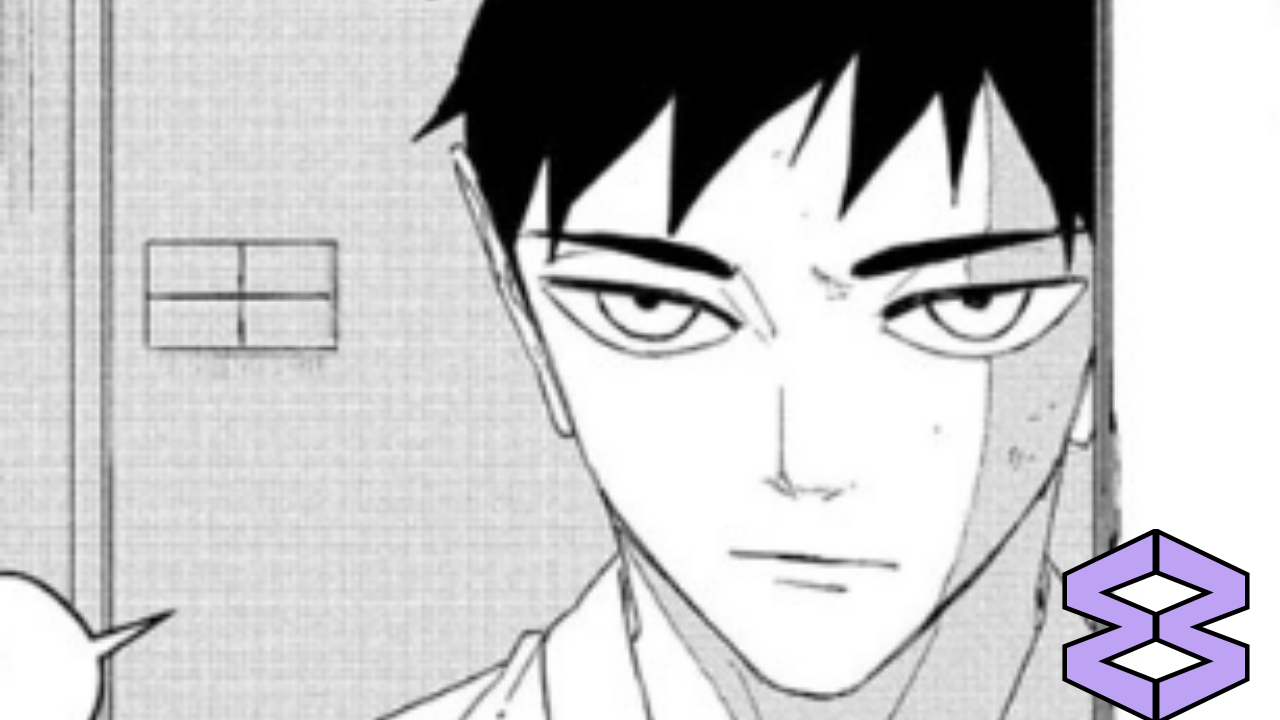
If anything, Denji—the protagonist of Chainsaw Man—is the opposite of manospheric. He’s not a symbol of male dominance or superiority. He’s a broken, manipulated teenager who’s constantly out of his depth—especially around women.
Makima controls him emotionally and psychologically. Power treats him more like a sibling than an equal. Reze deceives him, yet he still shows empathy.

Throughout the series, Denji bends over backwards for women, often at the cost of his own well-being. If there’s a character in CSM who embodies respect and loyalty toward women—flawed as he is—it’s Denji.
The Guardian’s Take: A Misguided Interpretation
In McCahill’s review, his main claim linking CSM to the manosphere appears at the very end:
“From Denji’s frilly pink fantasies to the fact Reze becomes more pornographic in appearance the more demonic she gets, Yoshihara is not shy about courting those who might have felt uniquely wronged by the opposite sex.”
He even quotes Denji saying:
“What a rush! I just cut off a beautiful woman’s leg.”
To call that an “incel-friendly” moment feels wildly out of context. Denji says dumb, impulsive things during fights—it’s part of his chaotic personality. He’s not driven by misogyny; he’s driven by trauma, poverty, and loneliness.

Top 5 Times Sukuna Lost Aura Points in Jujutsu Kaisen – Weekend Weebs

Why Calling Reze’s Design “Pornographic” Misses the Point
Reze’s appearance in Chainsaw Man is revealing, yes—but hardly pornographic. She wears what amounts to lingerie-style clothing, a common trope in anime and manga where symbolism often outweighs realism.
Her design reflects her duality—half human, half weapon—not an attempt to objectify her. Suggesting that fan service alone equates to toxic masculinity is a disservice to both creators and viewers.
Double Standards in Media: A Broader Issue
Let’s be honest: fan service exists everywhere. From Game of Thrones to Demon Slayer, mainstream franchises feature sexualized imagery—but they aren’t labeled as manospheric.
So why single out Chainsaw Man?
If the presence of revealing outfits or flirtatious humor makes something manospheric, then:
My Hero Academia would be manospheric. Demon Slayer would be manospheric. Almost every HBO show would fit the bill.
Clearly, that’s not how cultural critique should work.

The Real Problem: Sensationalism and Clickbait Journalism
It’s hard to ignore the possibility that the manosphere label was used as a buzzword—a way to spark controversy and draw clicks. In today’s digital media, outrage sells. But misusing serious terms like “incel” or “manosphere” for shock value is irresponsible.
These are radioactive words that can damage reputations and discourage new viewers from exploring a franchise they might otherwise enjoy. Mislabeling creative work for engagement isn’t criticism—it’s marketing.
Fandom Perspective: What Chainsaw Man Really Represents
Chainsaw Man isn’t about male grievance; it’s about human pain, desperation, and the cost of survival. It portrays emotional vulnerability in male characters—something that actually challenges traditional masculinity.
Denji’s dream isn’t domination; it’s simplicity—food, shelter, and a sense of belonging. If anything, CSM pushes back against toxic male archetypes by showing how they crumble under emotional complexity.

Why Words Matter in Media Criticism
Writers hold power. When journalists use cultural labels carelessly, they influence how audiences perceive creative work. Calling a film “manospheric” when it isn’t can alienate casual viewers and distort artistic intent.
Critics should aim for accuracy over virality—especially when dealing with charged social concepts. Not every edgy or sexualized story is promoting misogyny.
Conclusion: Let’s Keep Criticism Honest and Contextual
Labeling Chainsaw Man as part of the manosphere is not just inaccurate—it’s misleading. The film’s themes of pain, control, and emotional chaos deserve thoughtful discussion, not reduction to internet buzzwords.
Let’s be more careful with our language and more honest in our critiques. Words carry weight, and misusing them—especially ones as charged as manosphere or incel—can cause real harm to both creators and audiences.
For readers interested in broader media analysis, check out The Guardian’s original review of Chainsaw Man – The Movie: Reze Arc.




Leave a Reply